How long should a car loan be? 36, 48, 60, 72 and 84 months compared
How long a car loan should be: 36 to 84 months compared on a $30,000 loan, with payments, total interest and the risk of owing more than the car is worth.
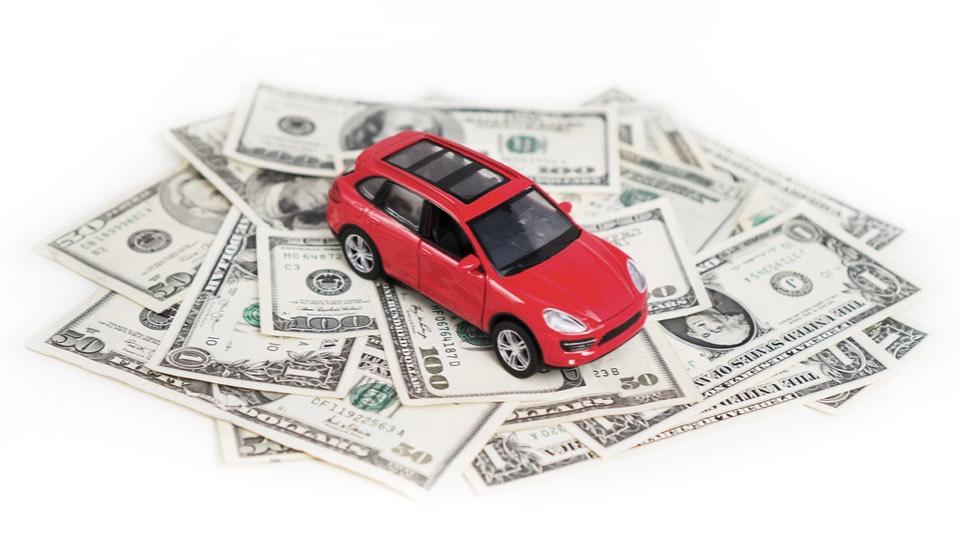
Dealers often start the conversation with one question: what monthly payment can you handle? Stretching the loan from four years to seven makes almost any car fit that number, but you pay for it in interest and in years of owing more than the car is worth. Here is what each common loan length really costs.
Why the monthly payment is the wrong question
A car loan has three moving parts: the amount you borrow, the interest rate (shown as the APR) and the term, meaning the number of months you pay. Change the term and the payment moves a lot, while the price of the car stays the same.
The CFPB makes this point directly: a shorter term lowers the overall cost of the loan, while a longer one lowers the payment but usually means paying more interest. For example, a $20,000 loan at 4.75% costs about $1,498 in interest over three years and about $3,024 over six. The car is identical; the six-year loan simply costs roughly twice as much to borrow.
Long loans have become common. In a 2017 report, the CFPB found that 42% of auto loans made in the most recent year had terms of six years or longer, up from 26% in 2009, and that those longer loans defaulted at more than 8% in recent years, about twice the rate of shorter ones.
The worked example: one loan, five lengths
Assumptions for illustration only: you finance $30,000 at a fixed 7.5% APR, with no fees rolled in, and make every payment on time. Payments use the standard amortization formula. Your own rate will depend on your credit, the lender and whether the car is new or used.
| Loan term | Monthly payment | Total interest | Total paid | Still owed after 3 years |
|---|---|---|---|---|
| 36 months | $933 | $3,595 | $33,595 | $0 |
| 48 months | $725 | $4,818 | $34,818 | $8,361 |
| 60 months | $601 | $6,068 | $36,068 | $13,359 |
| 72 months | $519 | $7,347 | $37,347 | $16,675 |
| 84 months | $460 | $8,652 | $38,652 | $19,031 |
Three things stand out:
- The payment drops less than you might expect. Going from 48 to 84 months cuts the payment by $265 a month, but adds $3,835 in interest. The 84-month loan costs 1.8 times as much interest as the 48-month loan.
- Most of the savings come early. The jump from 36 to 48 months makes a big difference to the payment. Each extra year after that saves less per month and adds more interest.
- Long loans pay down slowly. After three years on the 84-month loan you still owe $19,031 of the original $30,000. That last column is what matters if you need to sell the car early.
In real life the gap is often wider than this table shows, because lenders often charge higher rates on longer terms. Ask for the rate at each term, not just one.
Negative equity: owing more than the car is worth
A car loses value from the day you drive it away, and a long loan reduces your balance slowly. When the balance is higher than the car's value, you have negative equity, also called being underwater. That is fine while you keep the car and keep paying. It becomes a problem if the car is written off, you need to sell it, or you want to trade it in.
The CFPB warns that longer loans raise this risk. When you trade in a car you are underwater on, a dealer or lender may offer to roll the leftover balance into the new loan, which makes the new loan bigger and more expensive. In its June 2024 report, the CFPB found that about 12% of vehicle loans made from 2018 to 2022 included rolled-over negative equity. The average amount rolled in was $5,073 for new vehicles and $3,284 for used ones, and those loans averaged 73 months, longer than loans without a trade-in.
If you are already underwater, the CFPB suggests finding out your exact payoff amount and your car's trade-in value before you shop. If a dealer promises to "pay off" your old loan, check that the balance has not quietly been added to the new contract.
The payment is not the cost of the car
The loan payment is only part of what a car costs each month. Before deciding what you can afford, add:
- Insurance. A lender may require collision coverage while you owe money on the car, which costs more than liability alone.
- Fuel or charging. Base this on how far you actually drive.
- Maintenance and repairs. Tires, brakes and servicing come round whether or not the car is paid off.
- Registration, taxes and fees. These vary by state.
- Depreciation. You do not pay it monthly, but it is real money lost when you sell.
For a sense of scale, AAA's 2026 Your Driving Costs study put the average cost of owning and running a new vehicle at $12,863 a year, about $1,072 a month, assuming 15,000 miles a year, according to Kelley Blue Book. That is an all-in estimate, far more than a typical loan payment.
A rule of thumb: 20/4/10
One popular rule of thumb is 20/4/10: put at least 20% down, finance for no more than four years, and keep total car costs, including the payment, insurance and fuel, under about 10% of your gross income. It is not an official standard, and it can be hard to meet with today's prices. Treat it as a test. If the only way a car fits your budget is with a small down payment and a six- or seven-year loan, the car is probably too expensive for now.
Get preapproved before you visit the dealer
The CFPB suggests getting preapproved by a bank, credit union or other lender first. A preapproval tells you the rate, the loan length and the maximum you can borrow, so you walk in knowing your numbers. It also gives you something to compare against the dealer's offer.
That comparison matters. Dealers typically send your application to about five lenders and show you one offer. The rate they quote can include a markup above the lender's "buy rate," which pays the dealer for arranging the loan. Your interest rate, the term and the price of add-ons such as extended warranties and GAP insurance are all negotiable, and add-ons are optional. Every add-on rolled into the loan raises both the payment and the interest.
Your credit score has a big effect on the rate you are offered, so check your credit reports a few weeks before you shop.
What to do this week
- Write down the most you could pay each month for the car plus insurance, fuel and maintenance, then compare it with your budget.
- Get a preapproval from your bank or a credit union, and ask for rates at 36, 48 and 60 months.
- Use the calculators to compare total interest at each term, and choose the shortest one you can comfortably afford.
- If you already have a long loan, check whether you are underwater, and consider extra payments toward principal if your higher-rate debts are under control (see avalanche vs snowball).
General education, not personal financial advice. Figures are illustrations computed from the stated assumptions.
Sources
- CFPB: What things can I negotiate when shopping for a car or auto loan?
- CFPB: What are the different ways to buy or finance a car or vehicle?
- CFPB: Should I trade in my car if it's not paid off?
- CFPB: Negative equity in auto lending (June 2024 report)
- CFPB: Report finds sharp increase in riskier longer-term auto loans (November 2017)
- Kelley Blue Book: AAA hybrids come out on top in 2026 ownership cost study
Links checked 9 Oct 2026. Ledgerly is education, not personal financial advice.
 Rent or buy? The costs of owning a home that people forget
 Which insurance you actually need in your 20s and 30s
 How to spot investment and crypto scams before they cost you
 The 50/30/20 budget, worked through