Inflation and interest rates: what they do to your savings
Today's US numbers from FRED, what real return means, and why cash slowly loses value.
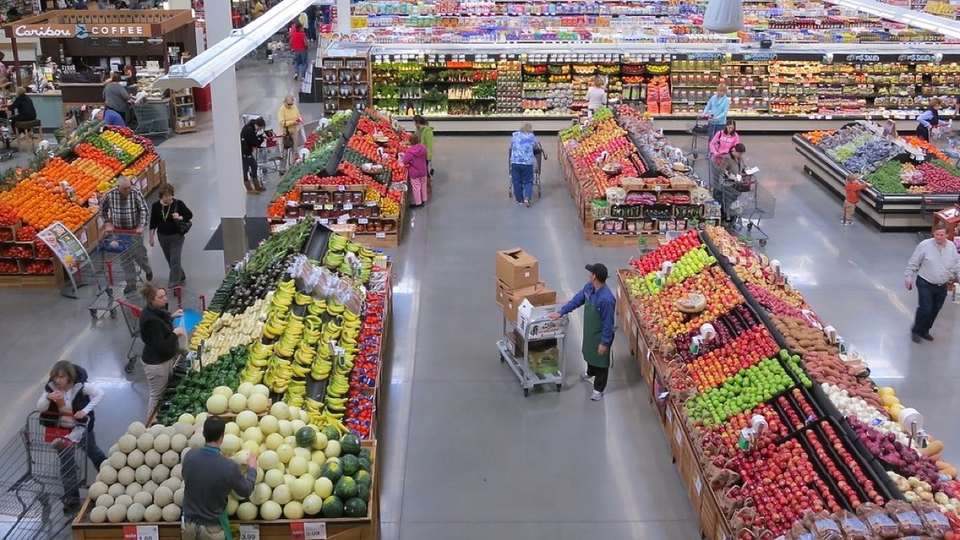
Inflation is the rise in prices over time. In the US the headline measure is the Consumer Price Index from the Bureau of Labor Statistics. The latest reading in our data, for August 2026, shows prices 3.71% higher than a year earlier.
What inflation does to cash
If inflation stayed at 3.71% a year for 10 years, $10,000 in cash would buy what about $6,947 buys today. The number in the account stays the same; what it buys shrinks.
Real return
Your real return is what you earn after inflation. A savings account paying 4.0% with inflation at 3.71% gives a real return of about 0.28%. Positive real returns are what make saving worthwhile.
| US CPI inflation, August 2026 | 3.71% |
| Effective fed funds rate, September 2026 | 3.75% |
| Example savings rate (assumption) | 4.0% |
| Example real return | 0.28% |
Why the Fed matters to you
The Federal Reserve raises its policy rate to cool inflation and cuts it to support jobs. Savings rates, credit card APRs and mortgage rates tend to follow. When rates are high, paying off variable-rate debt and holding cash both pay more; when rates fall, the opposite.
Data: FRED series CPIAUCSL and FEDFUNDS, Federal Reserve Bank of St. Louis, fetched 8 Oct 2026.
General education, not personal financial advice. Figures are illustrations computed from the stated assumptions.
 The 50/30/20 budget, worked through
 How big should your emergency fund be?
 Avalanche or snowball: clearing debt in the right order