How big should your emergency fund be?
Three to six months of needs, where to keep it, and what actually counts as an emergency.
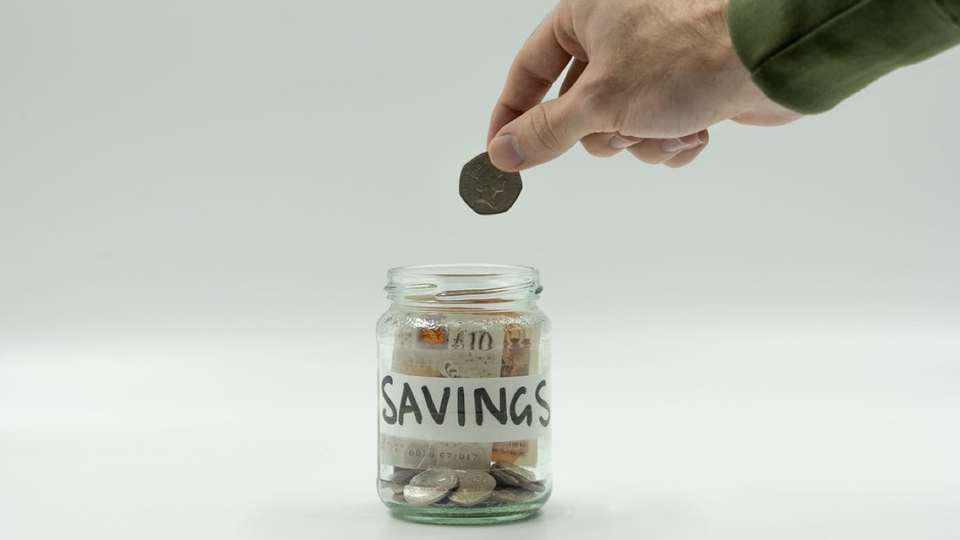
An emergency fund is cash you keep for one job: covering a surprise without new debt. A lost job, a medical bill or a broken laptop you need for work. It comes before investing because it protects every other part of the plan.
Size it from your needs, not your income
The common range is three to six months of essential spending. Use the needs figure from your budget, not your salary.
| Monthly needs | $1,900 |
| Three months | $5,700 |
| Six months | $11,400 |
| Saving per month | $500 |
| Months to reach three months | 12 |
| Months to reach six months | 23 |
Lean toward six months if your income is irregular, you are the only earner in your household, or your industry is cutting jobs. Three months can be enough with a stable job and a second income at home.
Where to keep it
Somewhere boring, separate and instant: a high-yield savings account or a money market account at an insured bank. Not in stocks or crypto, because an emergency fund that can fall 30% the month you need it is not doing its job.
What is not an emergency
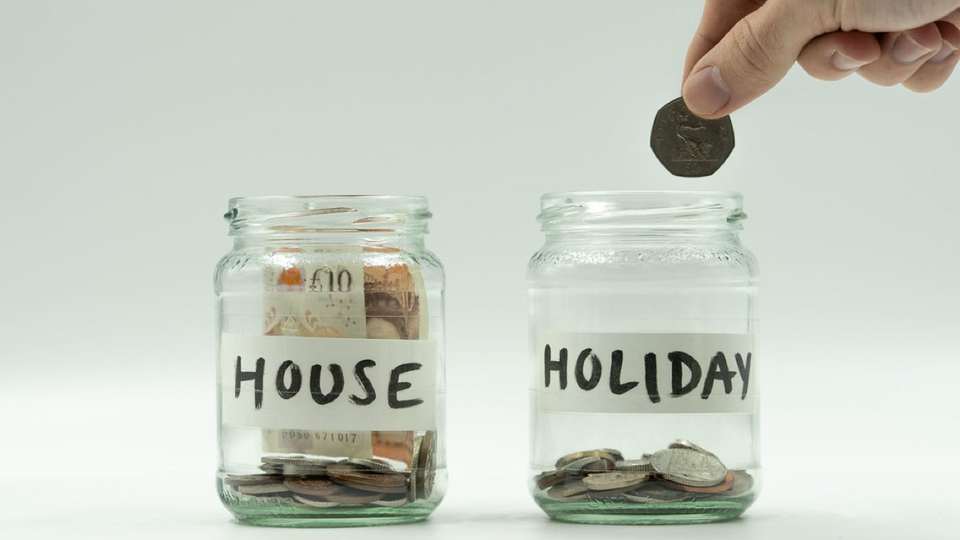
A sale, a holiday or a planned purchase. Give those their own savings pots, like the jars in the photo above, so the emergency fund stays whole.
General education, not personal financial advice. Figures are illustrations computed from the stated assumptions.
 The 50/30/20 budget, worked through
 Avalanche or snowball: clearing debt in the right order
 Compound growth: why starting ten years earlier matters