Find your FIRE number in ten minutes
Spending divided by a withdrawal rate, and why the 4% guideline is a starting point, not a promise.
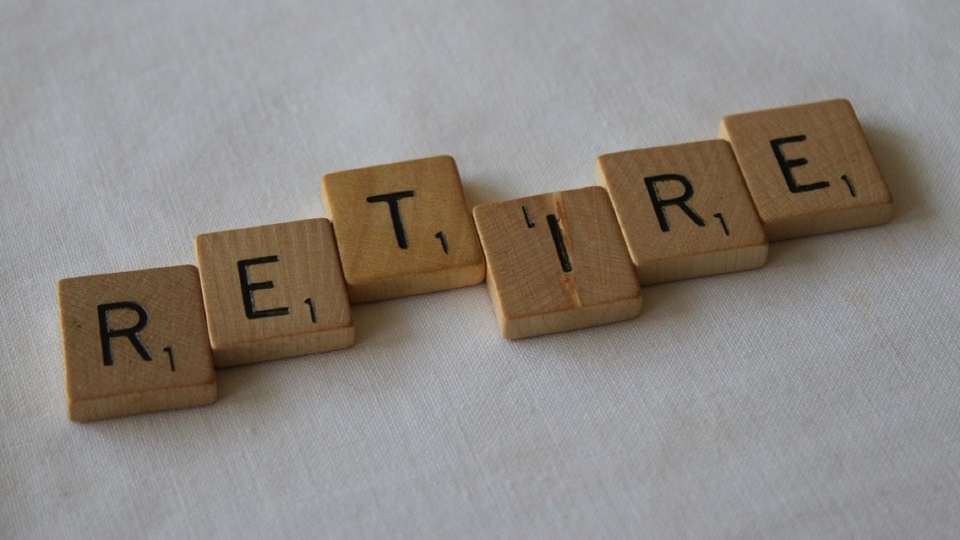
FIRE stands for financial independence, retire early. Your FIRE number is the invested amount whose withdrawals could cover your yearly spending.
The formula
FIRE number = yearly spending ÷ withdrawal rate. The 4% rate comes from William Bengen's 1994 research and the later Trinity study, which looked at US stock and bond returns over historical 30-year periods.
| Yearly spending | $30,000 |
| At a 4% withdrawal rate | $750,000 |
| At a more cautious 3.5% | $857,143 |
How long it takes
Assumptions for illustration only: $25,000 invested today, $900 added each month, a 5% yearly return after inflation.
| Years to reach $750,000 | 27.8 |
| With $1,200 a month instead | 24.1 |
Spending is the strongest lever
Cutting yearly spending by $3,000 lowers the target by $75,000 at 4%, and frees money to invest at the same time. That double effect is why FIRE plans focus on spending first.
Limits of the 4% rule
It was built on US history and 30-year retirements. Early retirees may need money for 40 or 50 years, and future returns may be lower. Many people plan with 3.5% or keep some flexibility to spend less in bad years.
General education, not personal financial advice. Figures are illustrations computed from the stated assumptions.
 The 50/30/20 budget, worked through
 How big should your emergency fund be?
 Avalanche or snowball: clearing debt in the right order