Compound growth: why starting ten years earlier matters
The same monthly amount over 20 and 30 years, and how much a 1% fee takes along the way.
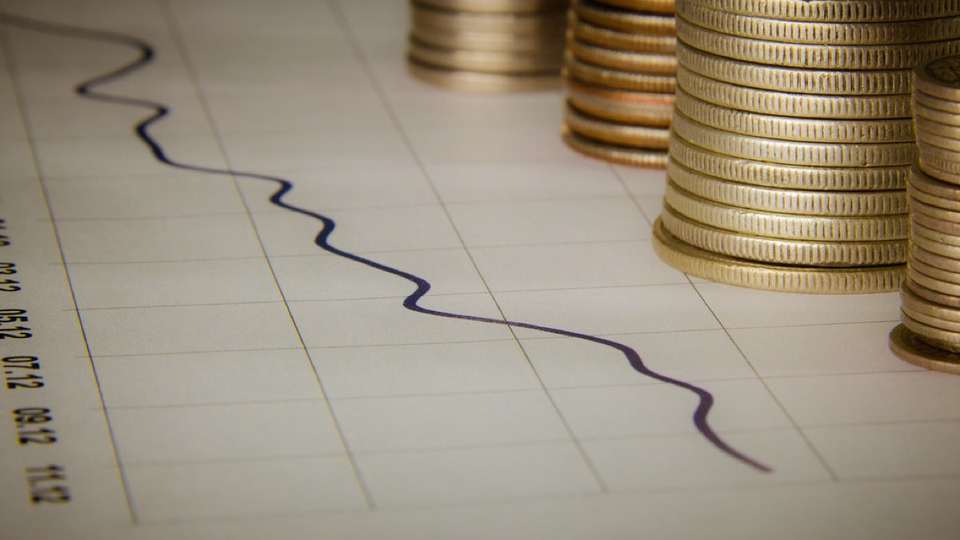
Compounding means your returns start earning returns of their own. Over short periods it looks like nothing. Over decades it does most of the work.
Same habit, different start
Assumptions for illustration only: $300 a month, a constant 6% annual return compounded monthly.
| 30 years: you put in | $108,000 |
| 30 years: final balance | $301,355 |
| 20 years: you put in | $72,000 |
| 20 years: final balance | $138,612 |
| Cost of starting 10 years later | $162,742 |
The extra ten years add $36,000 of contributions but $162,742 to the final balance. Most of that gap is growth on growth.

Fees compound too
A fee is a return you give away every year. On $10,000 left for 30 years at 6% before fees:
| 0.1% yearly fee, final balance | $58,454 |
| 1.0% yearly fee, final balance | $44,677 |
| Lost to the higher fee | $13,777 |
This is the main reason low-cost, broadly diversified index funds are the default recommendation for long-term investors. Real returns are not constant: markets have negative years, and the order of good and bad years matters.
General education, not personal financial advice. Figures are illustrations computed from the stated assumptions.
 The 50/30/20 budget, worked through
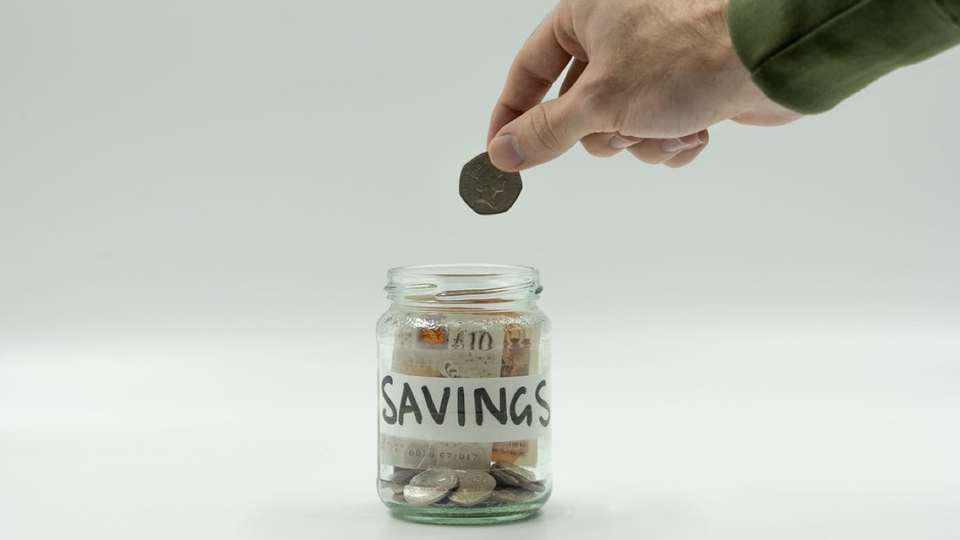 How big should your emergency fund be?
 Avalanche or snowball: clearing debt in the right order